
Patient Education
Periodontal care
Periodontal care is the specialist treatment of the gums and the bone that support your teeth. A periodontist focuses on stopping gum disease, repairing the damage it causes, and helping you keep your natural teeth — using the most conservative approach each case allows.
Treatment is always matched to the stage of disease and to you. For most people it follows a clear path, from a thorough evaluation through to long-term maintenance — with the goal of preserving healthy tissue and achieving a result that lasts.
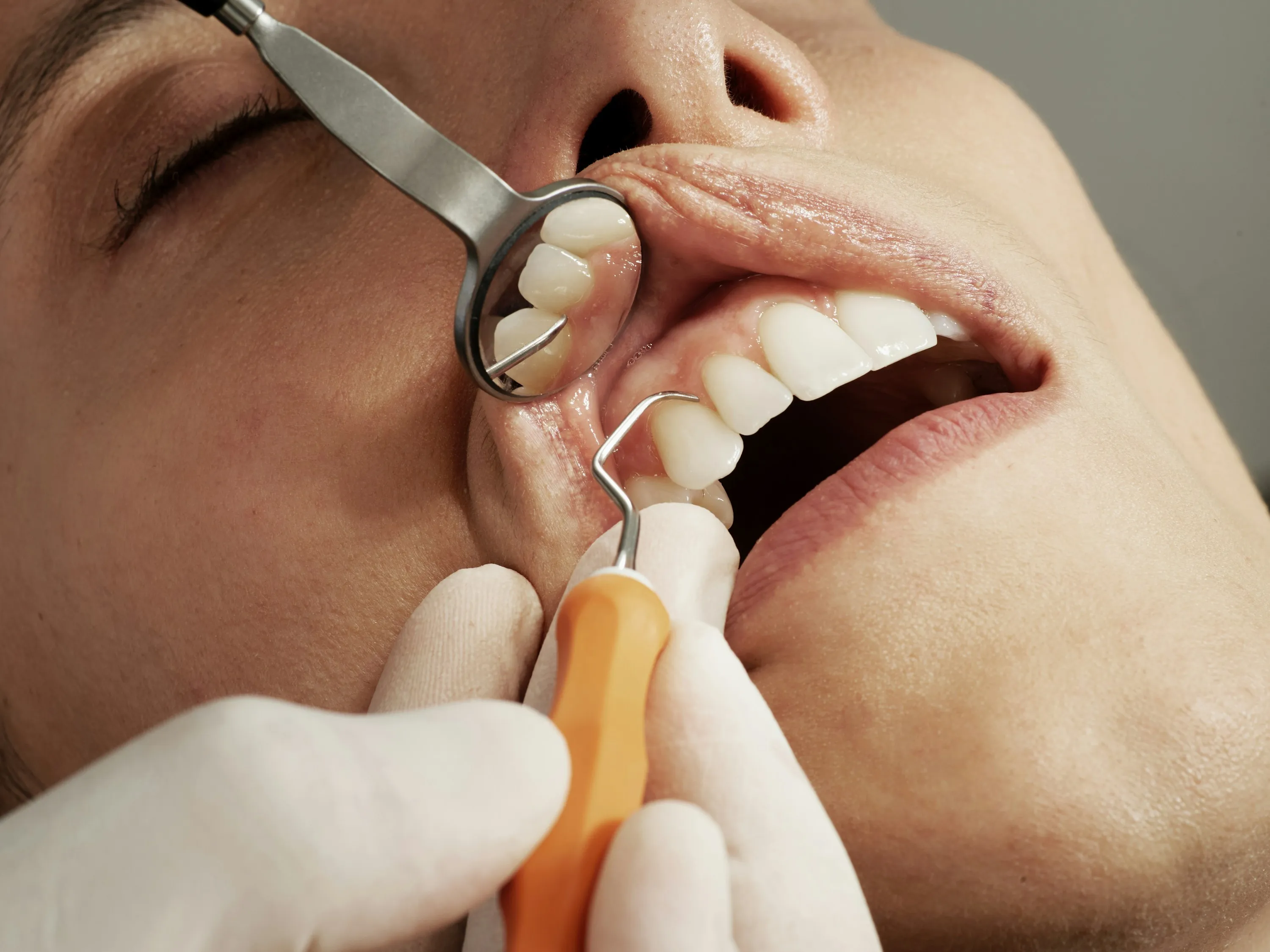
Your treatment journey
- 1
Evaluation & diagnosis
A thorough periodontal exam measures pocket depth, gum and bone levels, and overall risk — often with digital X-rays or 3D imaging — to pinpoint the stage of disease and build a plan tailored to you.
- 2
Non-surgical therapy
Most care begins here. Scaling and root planing (a deep cleaning below the gumline), sometimes with adjunctive antimicrobial therapy, removes the bacteria and tartar driving the infection and lets the gums heal.
- 3
Surgical & regenerative treatment
When pockets are deep or bone has been lost, focused procedures — pocket reduction, gum and bone grafting, and guided regeneration — repair the damage and rebuild lost support, using minimally invasive microsurgery wherever possible.
- 4
Maintenance & long-term health
Periodontal disease is controlled, not simply cured. A personalized maintenance schedule — shared with your general dentist or hygienist — keeps the gums stable and protects the result for years to come.
Explore the specific procedures involved on the services page, or learn about the conditions behind them — gum disease, bone loss & regeneration, and dental implants.
Coordinated care
In step with your dentist
Whether you are a patient seeking treatment or a general dentist referring a complex case, periodontal and surgical steps are planned and sequenced alongside your restorative care to protect continuity from diagnosis through follow-up.
This information is provided for educational purposes and is not a substitute for a professional evaluation. Diagnosis and treatment should always be determined by a qualified dental professional based on your individual condition.